
Ryan McLaren
Democratic Candidate for Vermont Lieutenant Governor
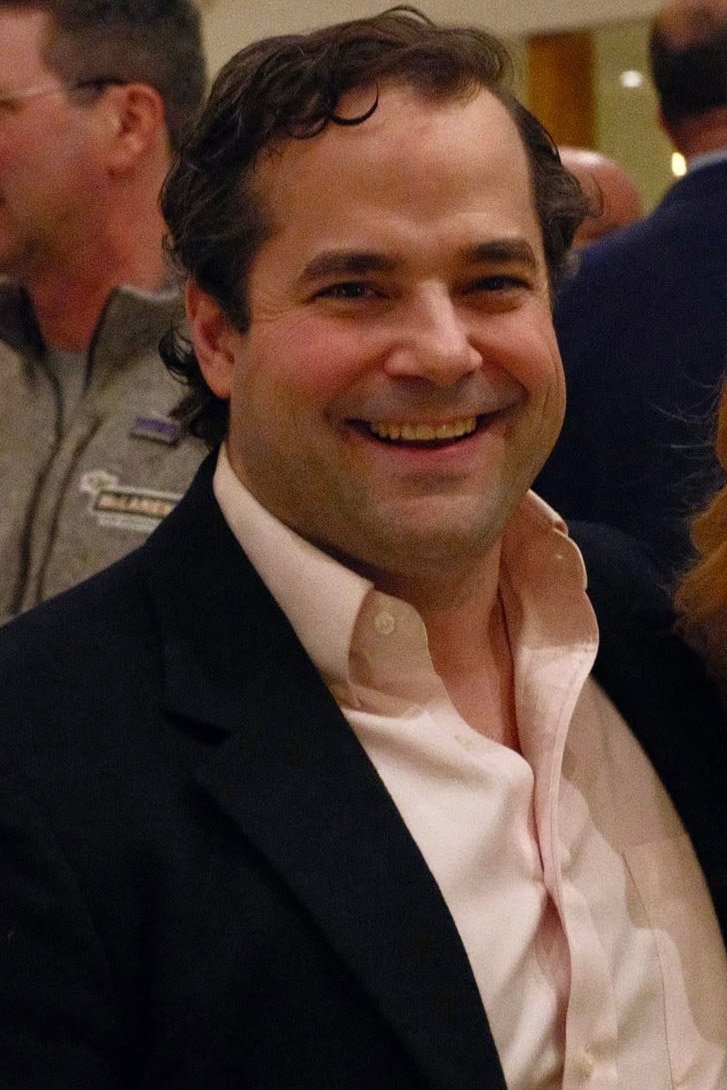
What do you believe is the role of state government, if any, in ensuring that everyone living in Vermont has the food they need to thrive?
I believe state government has a direct responsibility to make sure every Vermonter can eat with dignity. That does not mean government replaces community, farmers, schools, food shelves, or families. It means government does its job so those systems can actually work.
I grew up in a family that worked incredibly hard, but we also had help from programs like WIC and Dr. Dynasaur. That support did not replace my parents’ hard work. It made their hard work matter. Food security should be understood the same way.
If someone is hungry in Vermont, that is not a personal failure. It is a policy failure. The state should protect 3SquaresVT, support universal school meals, invest in local food access, and make sure hunger is addressed as an issue connected to housing, health care, wages, transportation, and dignity.
What would be your policy priorities to move Vermont toward food security for all?
As Senator Welch’s point person for food and agriculture, I have been active in building a more resilient, equitable, and accessible food system for almost a decade. This has included strong support for universal school meals and working directly with Hunger Free Vermont on programs that connect food security with farm viability: Vermonters Feeding Vermonters, Crop Cash, Crop Cash Plus, Farm Share, farm-to-school purchasing, and Working Lands investments.
I have also worked hard to help secure USDA disaster relief funding for farmers impacted by flooding. We know that USDA insurance programs do not work for many Vermont farmers, and I am proud to have helped farmers recover from disasters and to continue that work into the future. I have also supported farm viability programs through the Intervale and VHCB to ensure farmers have the technical assistance needed to thrive in a changing market.
My priorities start with expanding and strengthening the programs that already work. We all do better when we have thriving local farms and food systems that invest in sustainable, land-based economic development. My goal is simple: fewer families in crisis, more food grown and eaten here, and more dignity in every part of the system.
What do you believe are the root causes of hunger, and what should the state do to address those underlying factors?
The root causes of hunger are that the basic math of life no longer works for too many Vermonters. Housing costs too much. Health care costs too much. Child care costs too much. Transportation is too hard in too many parts of the state. Wages have not kept up. And when a family is forced to choose between rent, heat, medicine, gas, and groceries, food is often where they cut back first.
So yes, we need strong food programs. But if we are serious about ending hunger, we also have to lower the cost of living.
That means building more homes, strengthening primary care, supporting child care, investing in transportation, and making sure public benefits are easy to access without shame or unnecessary bureaucracy. Hunger is economic insecurity. The state has to treat it that way.
How would you help strengthen the state’s agriculture and food economy to ensure Vermont farms can continue to grow the food we all need?
Supporting and strengthening our agriculture and local food systems has been my work for the last decade with Senator Welch and is the work I am most passionate about. When we have thriving, land-based local economies, we have thriving communities. Vermont does this better than any other place in our nation, and these economies are among our greatest sources of opportunity for the future. Vermont farmers are essential to who we are and who we need to become. They feed us, steward our land, anchor rural communities, and help keep Vermont from becoming a place that is only preserved for people who can afford to look at it.
But farms are hit by rising costs first and hardest. Housing, health care, and labor costs are an anchor around our agricultural and food economy. Land access has become unaffordable for new and beginning farmers. If we want Vermont to continue its leadership in food and agriculture, we must address these first-order economic concerns.