
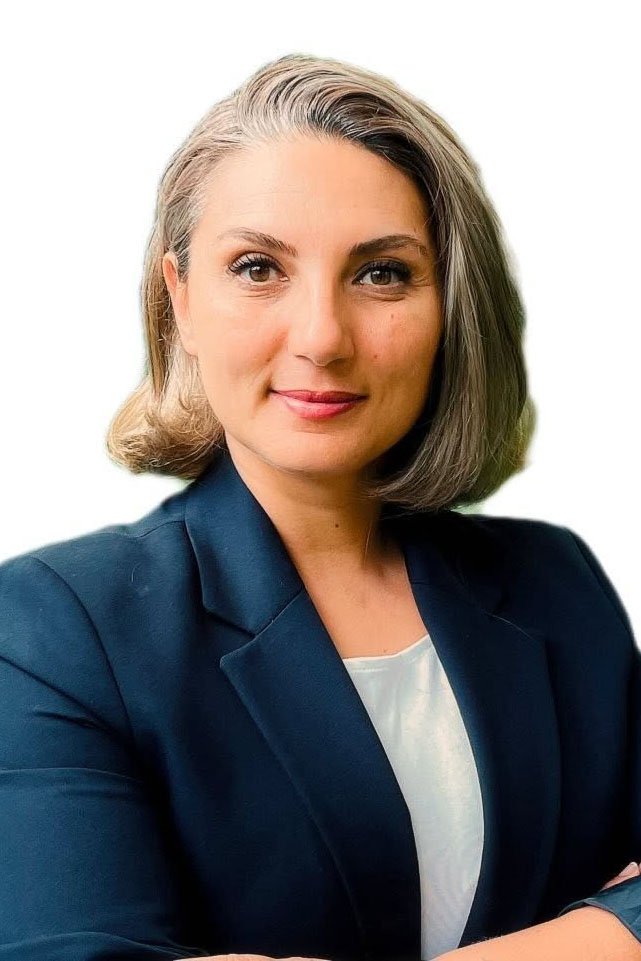
Pelin Kohn
Democratic Candidate for Vermont House of Representatives in the Washington-4 District
What do you believe is the role of state government, if any, in ensuring that everyone living in Vermont has the food they need to thrive?
No one in Vermont should have to worry about where their next meal is coming from. At the same time, the farmers who grow our food deserve the opportunity to make a sustainable living. Those two goals go hand in hand.
I believe the state government has an important role in bringing people together to strengthen our food system. That means supporting effective nutrition programs, partnering with local organizations, investing in Vermont agriculture, and reducing barriers that make healthy food harder to afford or access.
Throughout my time on the Montpelier City Council, I've learned that our biggest challenges are connected. Food security is tied to affordability, housing, transportation, healthcare, and our local economy. We will make the greatest progress when we work across these issues instead of treating them separately.
My focus will be on practical, collaborative solutions that help both Vermont families and Vermont farmers thrive.
What would be your policy priorities to move Vermont toward food security for all?
Food security isn't just about food—it's about affordability. If people can't afford housing, childcare, transportation, or healthcare, putting healthy food on the table becomes much more difficult. That's why my first priority is making Vermont more affordable for working families.
At the same time, we need a food system that works for both consumers and producers. I will support policies that help Vermont farmers remain economically viable, strengthen local food supply chains, and expand access to locally grown food through schools, food shelves, and community partnerships.
I also support protecting effective nutrition programs like Universal School Meals and 3SquaresVT and making them easier for eligible Vermonters to access. Finally, I believe we should evaluate our investments based on outcomes, ensuring programs reduce hunger, strengthen local agriculture, and use taxpayer dollars responsibly.
What do you believe are the root causes of hunger, and what should the state do to address those underlying factors?
I don't believe hunger is primarily a food problem—it's an affordability problem. When people are forced to choose between paying rent, keeping the lights on, buying medication, or putting gas in the car, food is often the first thing they cut back on.
Through my work in the community, including with CVRAN, I've seen that food insecurity is often connected to housing instability, financial hardship, and other life challenges. These issues rarely exist in isolation.
That means our solutions shouldn't exist in isolation either. We need to increase housing opportunities, strengthen our economy, improve access to affordable childcare and healthcare, support good-paying jobs, and ensure effective nutrition programs remain accessible. At the same time, we must support Vermont farmers and local food producers so healthy food remains available in every community.
Addressing the root causes of hunger means making Vermont a place where people can afford to live and thrive.
How would you help strengthen the state’s agriculture and food economy to ensure Vermont farms can continue to grow the food we all need?
A strong agricultural economy is essential to Vermont's future. Our farmers don't just produce food—they support local businesses, steward our working landscape, strengthen our communities, and help make Vermont more resilient.
To keep farming viable, we need to address the economic realities farmers face. That means protecting working farmland, expanding market opportunities, supporting local food purchasing, reducing unnecessary barriers, and helping farms adapt to changing economic and environmental conditions. We also need to ensure the next generation of farmers has a realistic path into agriculture.
As someone who has worked on economic development at the local level, I believe agriculture should be a central part of Vermont's economic strategy, not a separate issue. When our farms succeed, our rural communities, local businesses, tourism economy, and food security all benefit. My focus will be on practical policies that help Vermont farms remain strong for generations to come.