
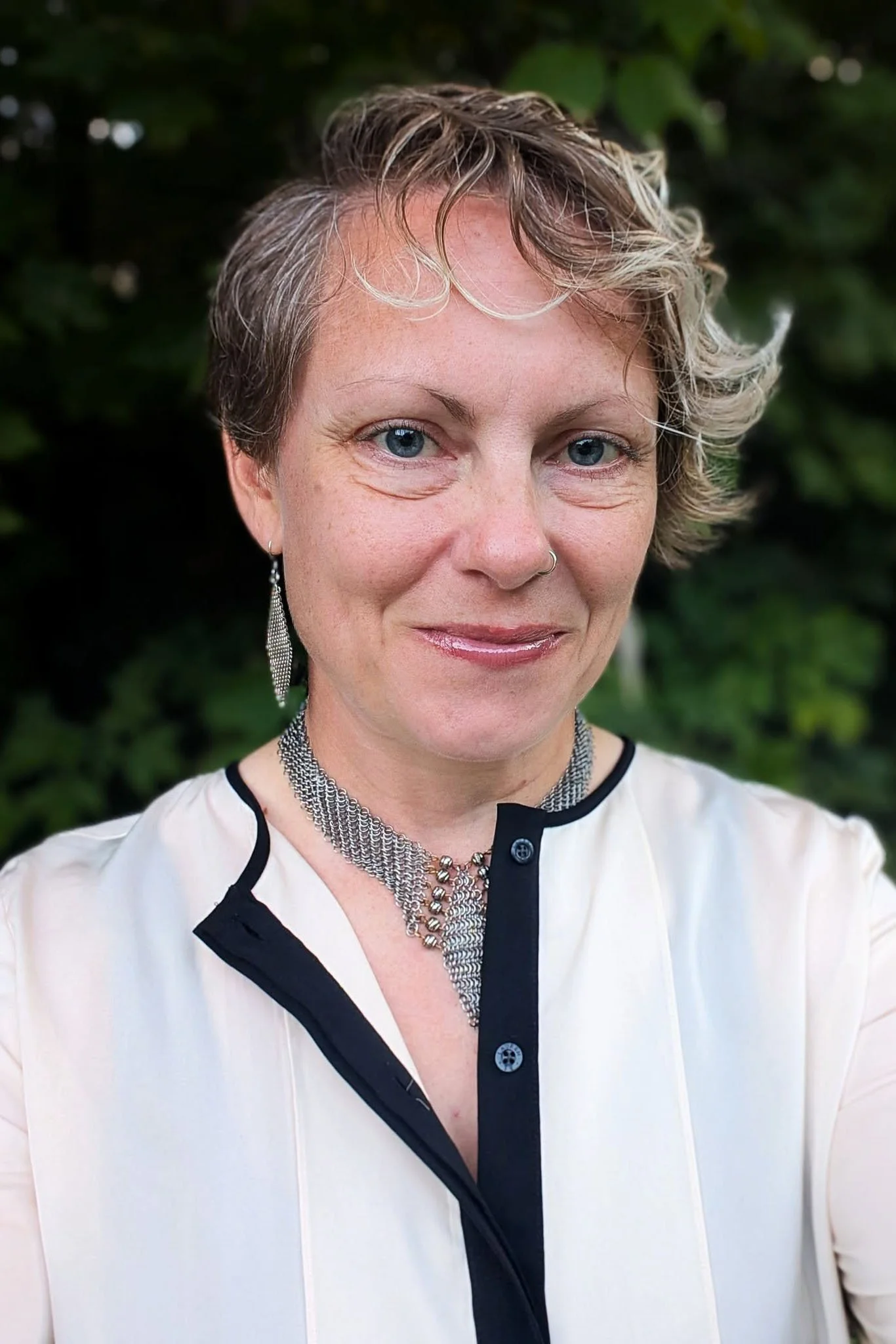
Natalie Cashen
Democratic Candidate for Vermont House of Representatives in the Chittenden-Franklin District
What do you believe is the role of state government, if any, in ensuring that everyone living in Vermont has the food they need to thrive?
I believe state government has a responsibility to make sure every Vermonter has access to enough nourishing food to live a healthy and productive life. No one in Vermont should have to choose between buying groceries and paying for housing, heat, medication, or other basic necessities.
As a legislator, I would support protecting and strengthening programs like 3SquaresVT, school meals, and community-based food assistance, particularly when federal cuts threaten to leave Vermonters without the help they need. At the same time, food security and farm security have to go hand in hand. We should invest in programs that allow more of our public food dollars to purchase food grown and produced in Vermont, helping families afford healthy food while creating reliable markets for our farmers.
Ultimately, I see food security as part of the larger affordability challenge facing Vermont. State government cannot solve every problem alone, but it can make sure our policies connect people with the food they need, strengthen our local farms and food system, and keep more of those dollars circulating within Vermont communities.
What would be your policy priorities to move Vermont toward food security for all?
My priority would be to build a food system where every Vermonter can afford nutritious food while ensuring that the farmers who produce it can afford to keep farming. Food security and farm security are deeply connected, and I believe our policies should strengthen both.
I would prioritize protecting Universal School Meals and strengthening 3SquaresVT, especially as federal changes threaten food assistance for Vermont families. I would also support continued investment in programs such as Crop Cash, Farm Share, and Vermonters Feeding Vermonters, which stretch families' food budgets while directing more dollars toward Vermont farmers and producers.
I would also work to expand opportunities for schools, state institutions, and other publicly funded programs to purchase Vermont-grown food; support food shelves and community organizations serving people facing immediate food insecurity; and invest in the infrastructure, processing, distribution, and market access that small and family farms need to remain economically viable.
These investments should be part of Vermont's broader affordability strategy. Families should not have to choose between groceries, housing, heating, health care, and other necessities, and our farmers should not have to operate on the edge of financial survival to feed their communities. I want Vermont to use its resources in ways that put food on people's tables while keeping farms on our landscape and food dollars circulating in our local communities.
What do you believe are the root causes of hunger, and what should the state do to address those underlying factors?
I believe hunger is primarily a symptom of a larger affordability problem. When wages and household incomes do not keep pace with the cost of housing, property taxes, utilities, transportation, childcare, and healthcare, families are forced to make impossible choices. Food is often one of the few expenses that can be reduced immediately, so groceries become the place where families are forced to cut back.
Addressing hunger therefore requires more than emergency food assistance. Vermont must address the underlying cost of living by expanding affordable housing, improving access to affordable healthcare and childcare, supporting wages that allow people to meet their basic needs, reducing the pressure of rising property taxes, and improving transportation options, particularly in communities where having a reliable vehicle is a necessity. We must also protect programs such as 3SquaresVT and Universal School Meals so that people have support while we work on these larger challenges.
I also believe we need to recognize that many Vermonters experiencing food insecurity are working, raising families, caring for others, or living on fixed incomes. Needing help buying food should not carry a stigma. My goal as a legislator would be to address both the immediate need and the conditions creating it: making sure people can eat today while building a Vermont where fewer people need assistance tomorrow.
How would you help strengthen the state’s agriculture and food economy to ensure Vermont farms can continue to grow the food we all need?
Vermont cannot have long-term food security without economically viable farms. Farmers provide us with food, but they also support our rural economy, preserve working lands, protect natural resources, and contribute enormously to the character of our communities. If we want those benefits to continue, farming has to be a sustainable way to make a living.
As a legislator, I would support investments that help farmers reduce costs, access and preserve affordable agricultural land, strengthen local processing and distribution infrastructure, and develop reliable markets for Vermont-grown products. I would also support programs such as Crop Cash, Farm Share, and Vermonters Feeding Vermonters because they demonstrate how public investment can accomplish two goals at once: helping Vermonters afford nutritious food while putting money directly into our agricultural economy. Schools and other publicly funded institutions should also have greater opportunities to purchase food from Vermont producers.
We also need to address the long-term challenges facing agriculture, including workforce shortages, succession planning, climate resilience, and the loss of working farmland. I support protecting working lands and helping new and beginning farmers overcome the significant financial barriers to entering agriculture.
Most importantly, I believe we should listen to farmers when developing agricultural policy. Vermont cannot ask farmers to produce affordable food, protect our landscape, meet environmental goals, and strengthen our communities while ignoring whether they can afford to stay in business. A strong Vermont food system must work for the people who eat the food and the people who grow it.