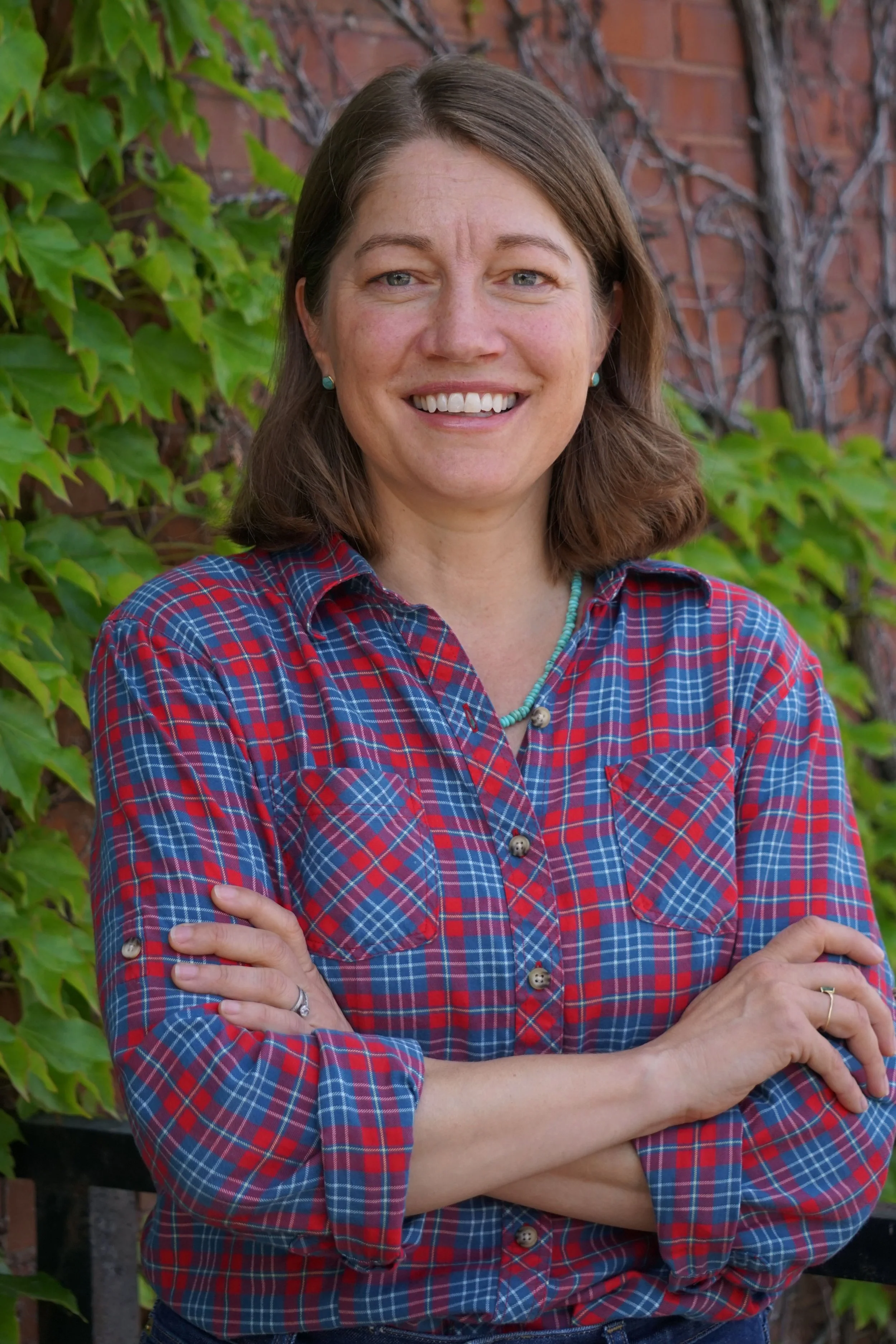
Molly Gray
Democratic Candidate for Vermont Lieutenant Governor
What do you believe is the role of state government, if any, in ensuring that everyone living in Vermont has the food they need to thrive?
I think it’s essential- and my record backs up my belief. SNAP might be a federal program, but it’s state governments that actually distribute those funds. Vermont therefore has the responsibility to ensure that everyone who needs food assistance gets it. We also must acknowledge that this money is far from guaranteed, something I saw firsthand. During my time as the Executive Director of the Vermont Afghan Alliance, Vermont Governor Phil Scott cut SNAP for refugees, asylees and Afghan Special Immigrant Visa holders, as he believed was required by the One Big Beautiful bill. Together with federal and state community partners I worked to meet emergency food assistance needs, and to get the USDA to issue corrected guidance, ultimately getting SNAP for some community members reinstated.
What would be your policy priorities to move Vermont toward food security for all?
Food security and local resilient foods systems are personal to me. I grew up on a vegetable and dairy farm in South Newbury, where the food we grew helped meet community needs, particularly in our local schools. As Lt. Governor I’d be a champion for protecting Universal School Meals, Farm Share, Vermonters Feeding Vermonts, and especially Crop Cash. Of note, I particularly appreciate how these programs are meeting Vermonters, especially our newest Vermonters cultural preferences and the translation of helpful information into the languages of our new neighbors. Accessibility is everything, and I’ll be a thoughtful partner for leaders in this space as Lt. Governor!
What do you believe are the root causes of hunger, and what should the state do to address those underlying factors?
Hunger happens when economic pressures make the basics of human health and dignity unaffordable. Working families in Vermont are increasingly forced to choose between food, shelter, clothing, healthcare, and utilities - an unacceptable outcome in the richest country on Earth.
My policies, as a candidate for Vermont’s Lt. Governor, are designed to lower costs, make life better for working families, and protect fundamental rights- including a right to basics such as adequate food and shelter. I have a plan to recoup Trump’s tax cuts and use the money to pay for universal primary care, lowering a major cost for working adults while making healthcare more accessible to all. My housing plan is designed to clear the way to build the 30,000-40,000 homes Vermont needs by 2030 while increasing good-paying jobs in the skilled trades. And I will continue to fight against federal overreach and cruelty directed at the most vulnerable Vermonters, who are the most likely to go hungry.
How would you help strengthen the state’s agriculture and food economy to ensure Vermont farms can continue to grow the food we all need?
I was raised on a dairy and vegetable farm in South Newbury. My parents and brothers still run that farm, and I remain deeply connected to rural Vermont. I am the only Democratic candidate for Lt. Governor with this lived experience.
I have been outspoken against the redundant rural land use regulations in Act 181. Vermont’s farmers are also conservationists, and we should make it easier, not harder, for them to thrive. I have also called for better distribution of state planning and infrastructure aid, so that rural communities can build the housing and other essentials that their residents need to stay on the land and remain resilient and viable.
Additionally, universal primary care would be especially beneficial for self-employed and seasonal workers, who form a large proportion of the agricultural labor force, and whose work is physically demanding and often hazardous.