
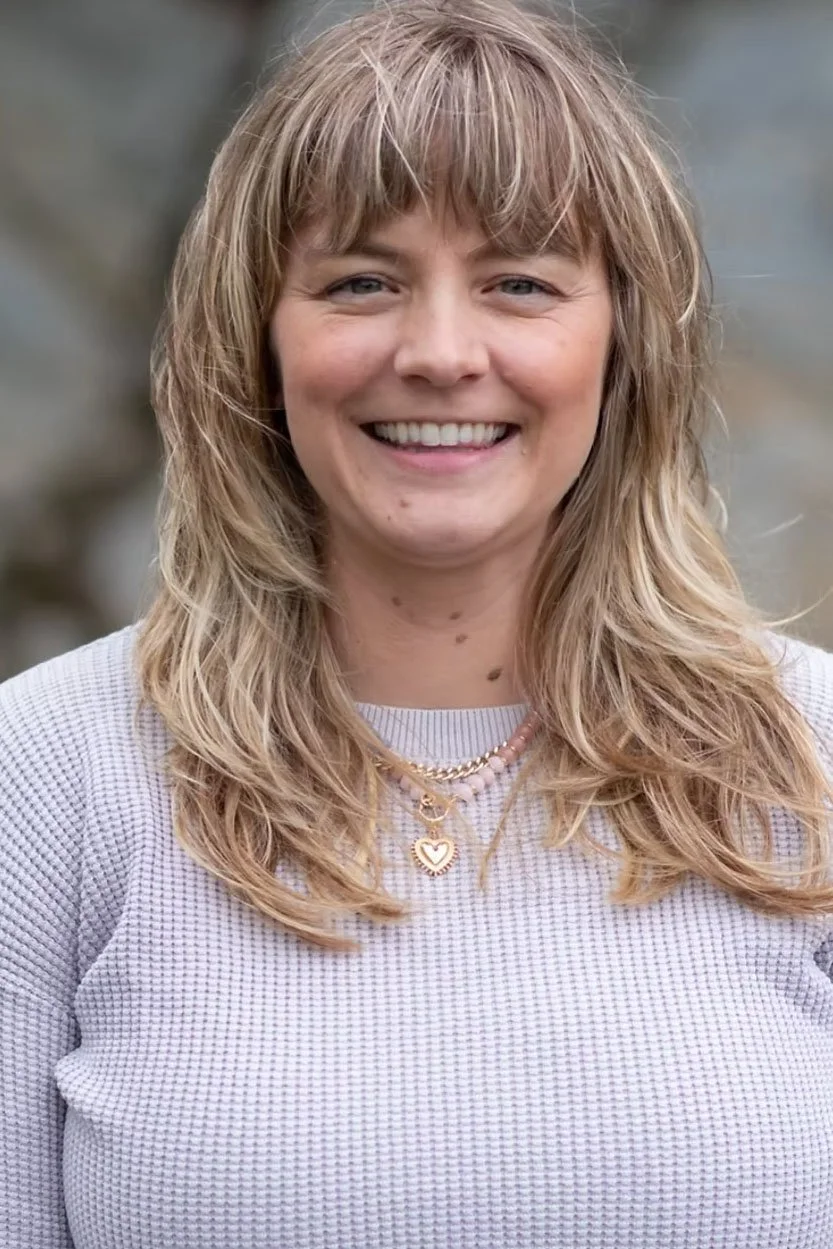
Katarina Lisaius
Democratic Candidate for Vermont House of Representatives in the Washington-Chittenden District
What do you believe is the role of state government, if any, in ensuring that everyone living in Vermont has the food they need to thrive?
The fundamental role of state government is to ensure basic human needs are met, starting with reliable access to nutritious food. Good nutrition is the foundation of both physical and mental well-being. When our people are healthy, Vermont thrives. For me, eliminating hunger and food insecurity is imperative to sustaining strong, resilient communities.
Our food security programs span multiple state departments. As a legislator, my focus is to ensure these programs—both current and future—collaborate seamlessly and purposefully for the Vermonters who need it most.
What would be your policy priorities to move Vermont toward food security for all?
As a legislator, I will work to sustain existing programs and ensure they cover everyone who needs access, such as Universal Meals, Afterschool meals, 3SquaresVT, and Crop Cash at farmers markets. I will also support creative solutions to nutrition access. The innovation the legislature had in creating the Restaurant Meals Program, Food is Medicine CSA, and helping grocery stores donate food to food banks must continue to address hunger in our state.
I also believe that we cannot address hunger without addressing poverty in our state. We need to have livable wages and economic support for aging Vermonters and Vermonters with disabilities.
What do you believe are the root causes of hunger, and what should the state do to address those underlying factors?
In America, the root causes of hunger are poverty and the systems that have been created because of economic disparity. We have seen an increase in people accessing local food banks in the last year because they have nowhere else to turn.
In my district, addressing the underlying issue of poverty, income and wealth disparities, and racial and gendered wage gaps is a systemic response to many fundamental challenges we face. I would be proud to be part of the state’s solutions to these system reforms.
I also believe we need to be creative in how we react to our current crises. To me, this means being innovative with accessibility, relationships with farms and agriculture communities, and continuing to work with retail markets to eliminate food waste.
Finally, I believe that maintaining access to critical programs for all Vermont residents is the Vermont way. If someone is hungry, we must ensure the state does not close the door to a nutritious meal.
How would you help strengthen the state’s agriculture and food economy to ensure Vermont farms can continue to grow the food we all need?
Farmers are part of the fabric of our communities. Small farms are focused on positively impacting our towns, neighbors, and local workforce. They are also living through chronically low federal milk prices, market consolidations, and competition with big agriculture operations. When we add the volatility of the climate crisis, farmers are adapting at every level.
As a state legislator, I will support the continuation of programs for farms - from Farm First, Disaster Relief planning and support, and business planning opportunities. I will support Farm-to-School and join local experts to consider other partnership programs connecting agriculture to other community-centered meal programs. Seventy-to-ninety percent of Vermont farms rely on migrant farm workers, therefore I will support immigration legal resources, housing, and multilingual English learning resources in our local schools.